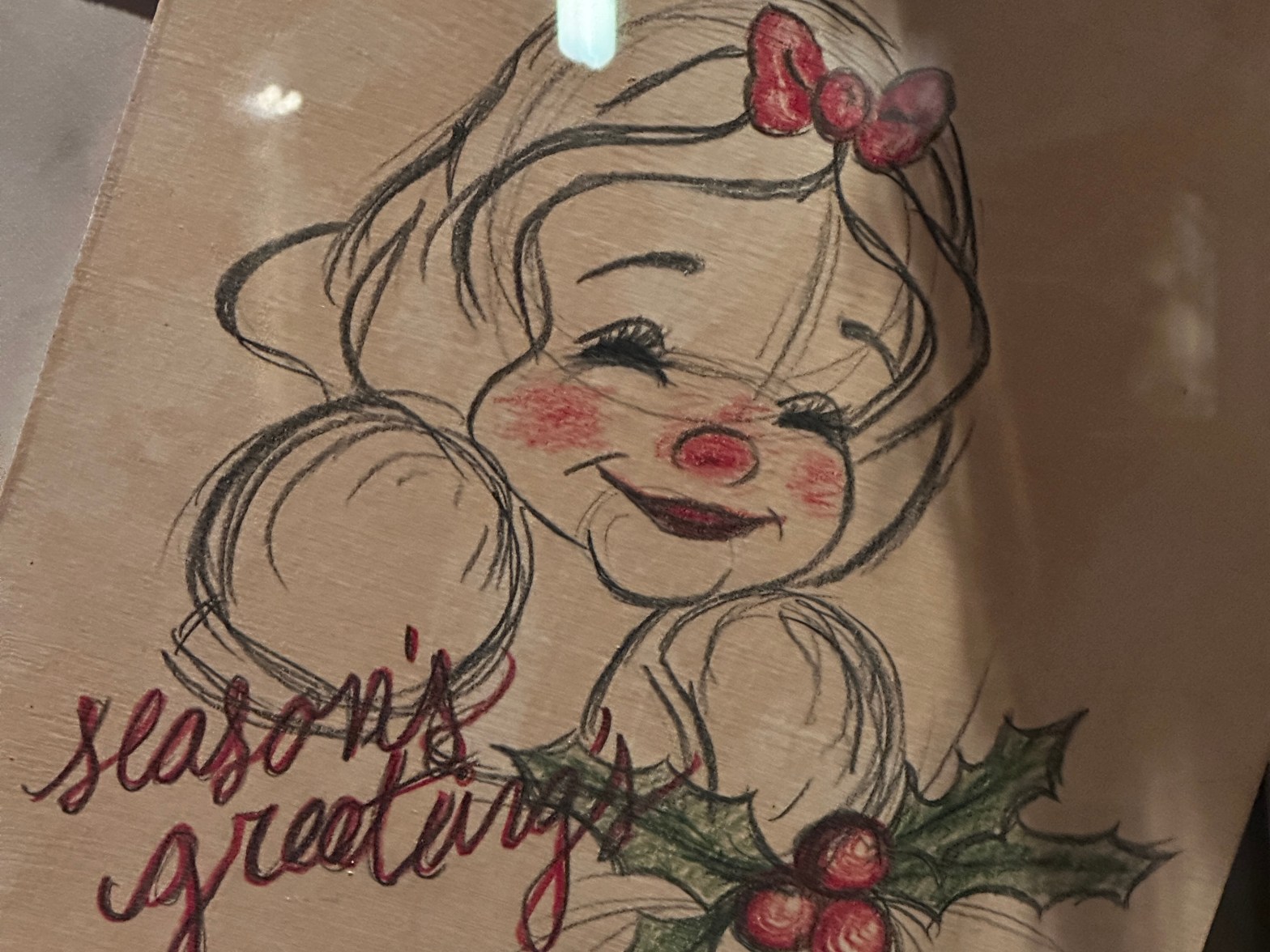
Snow White and the Seven Dwarfs

Remember way back at the beginning of 2024 when I said it was my intention to do a watch through of Disney movies and write my thoughts, maybe some history, and experiences revisiting these animated classics? Yeah…I ignored it too until there were about three days left in the year. New Year’s Resolutions…am I right?

In all seriousness, I didn’t exactly give a timeline for when I would complete this, so I’m right on track with this first post.

Snow White premiered on December 21, 1937 at the Carthay Circle Theater in Los Angeles. Leading up to its release, this film was being referred to as Disney’s folly because no one outside of the Walt Disney Studios believed movie going audiences would sit through a feature length cartoon when they were used to the seven to ten minute shorts that preceded live action films. Boy oh boy, were they ever wrong.

At the time of its release, Snow White and the Seven Dwarfs went on to become the highest grossing movie ever. This record held until Gone With the Wind was released in 1939, which is also a year that is referred to as the greatest year for movies of all time. Go check out the list of films that were released that year if you don’t believe me!

The Academy Awards did not yet have any categories for animated films, but knew that this achievement in movie making needed to be recognized. On February 23, 1939, Walt Disney was awarded an honorary Academy Award for Snow White by all the children of the world via Shirley Temple. This award is frequently on display at the Walt Disney Family Museum in the awards lobby and features a full size Oscar with seven miniature Oscars to cleverly represent the cast of the film. It really is something to see and the awards lobby is free to peruse if you are in the Presidio and are short on time, go check it out!

To be honest, Snow White and the Seven Dwarfs has never been my favorite…anything really. It’s not my favorite animated movie, movie soundtrack, Snow White is not my favorite princess, and it’s never been my favorite fairytale. As a film lover, however, I know how important this movie is and cannot deny how amazing an achievement it is. Snow White just isn’t my go to Disney movie. In actuality, I more often requested to watch 1939’s Gulliver’s Travels from rival Fleischer Studios when I was little – that Gabby cracked me up.

Re-watching Snow White reminded me how beautiful this film is and I do love how creepy it is. Audiences at the time, however, may have categorized this film as horror with how freaked out some were by the transformation of the Evil Queen into the wicked hag looking to end the life of the beautiful Snow White. I love the changes to the story that Walt and his team made to make it more concise and add a lot more tension. In the original Grimm telling, the Evil Queen attempted to kill Snow White twice before she brought the poisoned apple. I also very much appreciate that the Disney version of the magic mirror rhymes…he does not in the fairytale.

One thing that was hard for me to watch, and this is more a sign of the times we live in now, is that the dwarfs were only willing to let Snow White stay with them if she would basically be a live in maid/mother. Their initial reaction was not to help her out of the goodness of their hearts, but what she would do for them in return. I wonder if this viewpoint is what contributed to the modern day Disney Studios look at this film and decide they would reimagine it as a live-action film to be released in March of 2025. In any case, I will be interested to see this new telling of the classic tale.

Book Review: Normally This Would Be Cause for Concern

Recently, I have been in a bit of a reading rut. I’ve been having trouble getting in to a book and just sitting and reading for long stretches of time (a big reason I was not able to complete the hefty reading challenge I set for myself last year). However, if I had picked up this book before the end of the year I would have been at least one book closer to my challenge because I am one that LOVES to read books about other people’s lives.

Normally This Would Be Cause for Concern: Tales of Calamity and Unrelenting Awkwardness by Danielle Fishel did not disappoint. Released in 2016, I didn’t come across this book until 2022 because of the new podcast of which the author is a host: Pod Meets World a re-watch podcast of the ABC show Boy Meets World with original cast members which includes Fishel as Topanga.

Boy Meets World is quintessential 90’s TGIF-era and the name Topanga is synonymous with this show. My favorite story she told was her time on MTV’s Say What Karaoke, ahhh nostalgia. However, she stated that there is no video of it on the internet, of course someone realized this could not stand and uploaded video evidence this did in fact happen exactly 23 years ago today (weird coincidence). To refresh your memory, here is Fishel rapping faster than Busta Rhymes.

While Pod Meets World brought me to the book initially, Danielle Fishel kept me there with her humor and charm. This book is so relatable and funny that I ripped through it in a matter of a few hours (perfect to get anyone out of a reading rut). If you are looking for a deep dive into all things Boy Meets World, I recommend listening to Pod Meets World immediately. If you are looking for a collection of stories about a girl figuring out life on her terms, go find this book immediately.

This book was everything my 90’s loving heart wanted and if you are also a child of the 90’s go find this book! As always, let’s read, share, and repeat.

And I say HEY!

I believe we have talked about our love for Arthur the A-A-R-D-V-A-R-K on the show before. The Arthur books were originally published 45 years ago by Marc Brown. The first installment in the series being called Arthur’s Nose and the little character not being happy with the way his nose looked and considered getting a nose job – he was relatable from the get go!

The idea for Arthur was born out of a conversation with his young son who requested a bedtime story about “a weird animal,” as Browns remembers. This was not the only inspiration the author took from his family and friends. Many of the attributes that showed up on his characters also matched those around him. For instance: Arthur has glasses because Marc Brown’s son has glasses. His favorite character, D.W., takes after his three younger sisters – which is why she is so funny, strong, and “triply lethal” as Brown explained during a virtual event celebrating the end of the series.

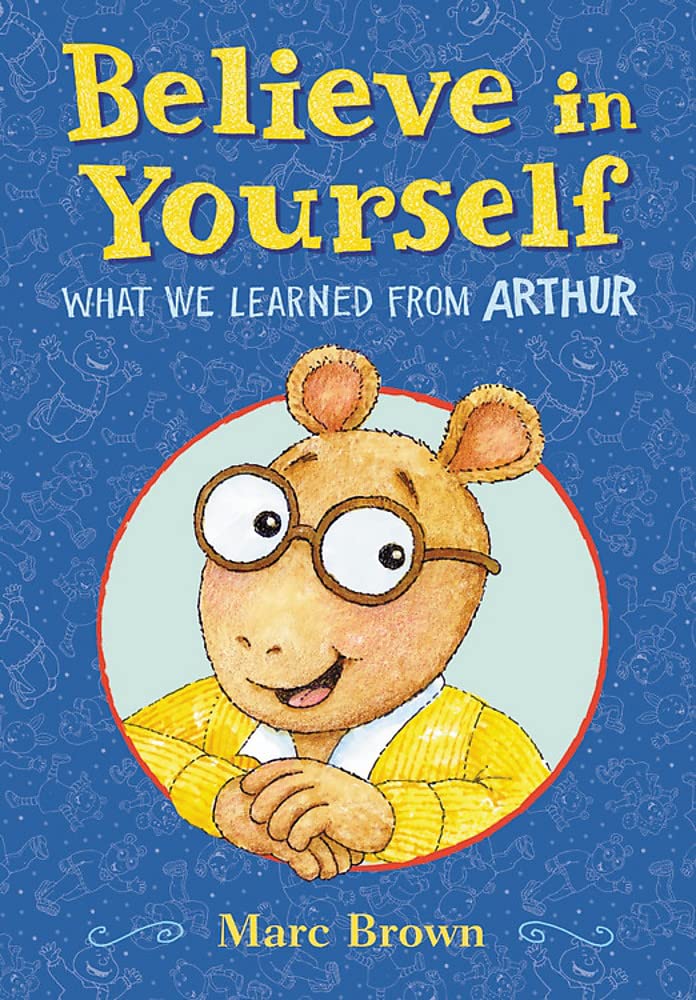
The final Arthur book was published early this year. It is called: Believe in Yourself: What We Learned from Arthur. This book is a reflection on the creation of the show and the book series and what makes it so special and enduring. Arthur became a beloved animated show on PBS channels 25 years ago and has proven to be topical, approachable, and all around enjoyable throughout its entire run.

When asked why he thought Arthur and the citizens of Elwood City had such an impact on a whole generation of kids and beyond, Brown said the series always told the truth to kids and is very relatable on many different subjects. Arthur himself is a good friend with a good heart, he learns from his mistakes.  

While the original run of books and shows is coming to an end, the Arthur world is not ending. There will be new ways for fans to interact with Arthur. With the changes in technology and how kids get information and content these days, Arthur and his friends will still be helping kids deal with important issues through a series of different platforms such as: public service announcement short videos, podcasts, as well as online games. There is also a live musical in the works that could make its way to the stage in the future. 

The newest book is available for purchase now and a marathon of more than 250 episodes leading into the premiere of the last four episodes of season 25 will begin February 16, 2022 and continue until February 21, 2022. The last four episodes have hinted at revealing what REALLY happened to D.W.’s snowball as well as a look at what will happen when the gang grows up. 

Here are some viewing suggestions to catch during the marathon on your local PBS station:

Season 1 – Episode 5: Arthur’s Pet Business/D.W. the Copycat – the episode that made us fall in love with D.W.

Season 1 – Episode 22: D.W.’s Snowball Mystery/Team Trouble – where the snowball saga began. 

Season 2 – Episode 1: Arthur Meets Mister Rogers/Draw! – gotta love Mr. Rogers.

Season 3 – Episode 11: Double Tibble Trouble/Arthur’s Almost Live Not Real Music Festival – having fun isn’t hard when you’ve got a library card! Also check out the soundtrack that goes with this episode.

Season 4 – Episode 1: D.W.’s Library Card/Arthur’s Big Hit – the episode that made Arthur a well-known meme.

Season 22 – Episode 1: Mr. Ratburn and the Special Someone/The Feud – such a special episode about everyone’s favorite third grade teacher.

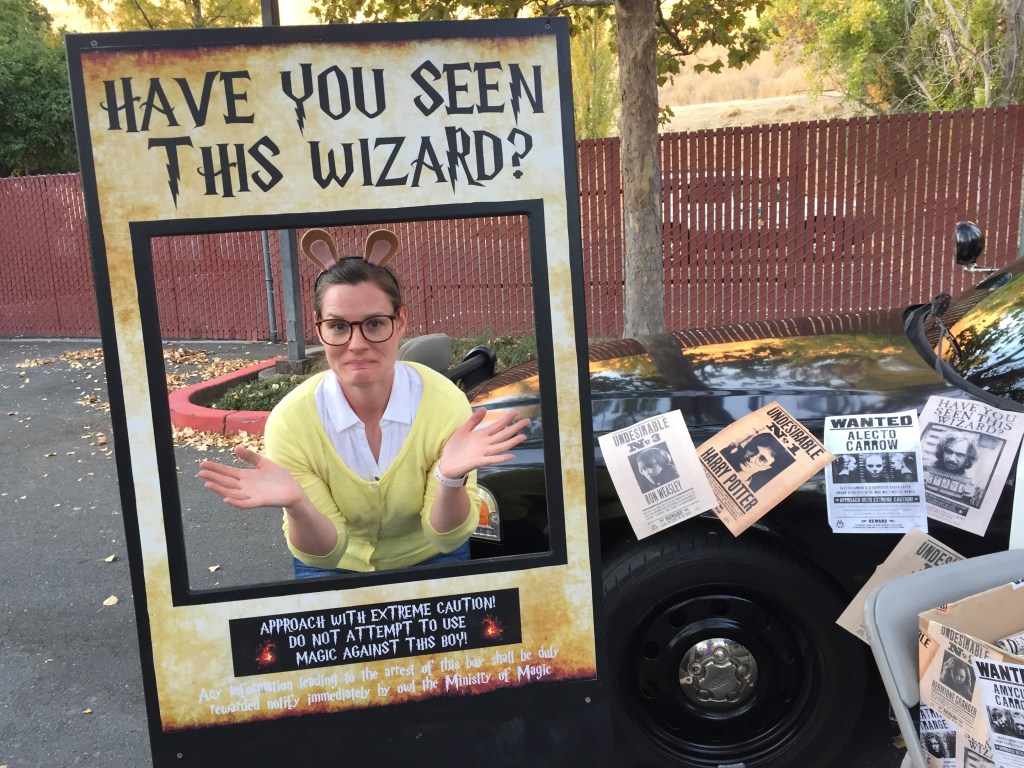
Whether you are a longtime fan or new to the world of Arthur, there is an episode or a book for you. Now is a perfect time to jump in and enjoy what has been a huge source of entertainment in our house for the last 25 years and will continue to be. Congratulations to Marc Brown and all the creators of the Arthur books and shows over the years and thanks for always making it a wonderful kind of day (as well as a go to Halloween costume, as pictured below).

A Troublesome Book Woman Indeed

“The very existence of libraries affords the best evidence that we may yet have hope for the future of man.” –T.S. Eliot

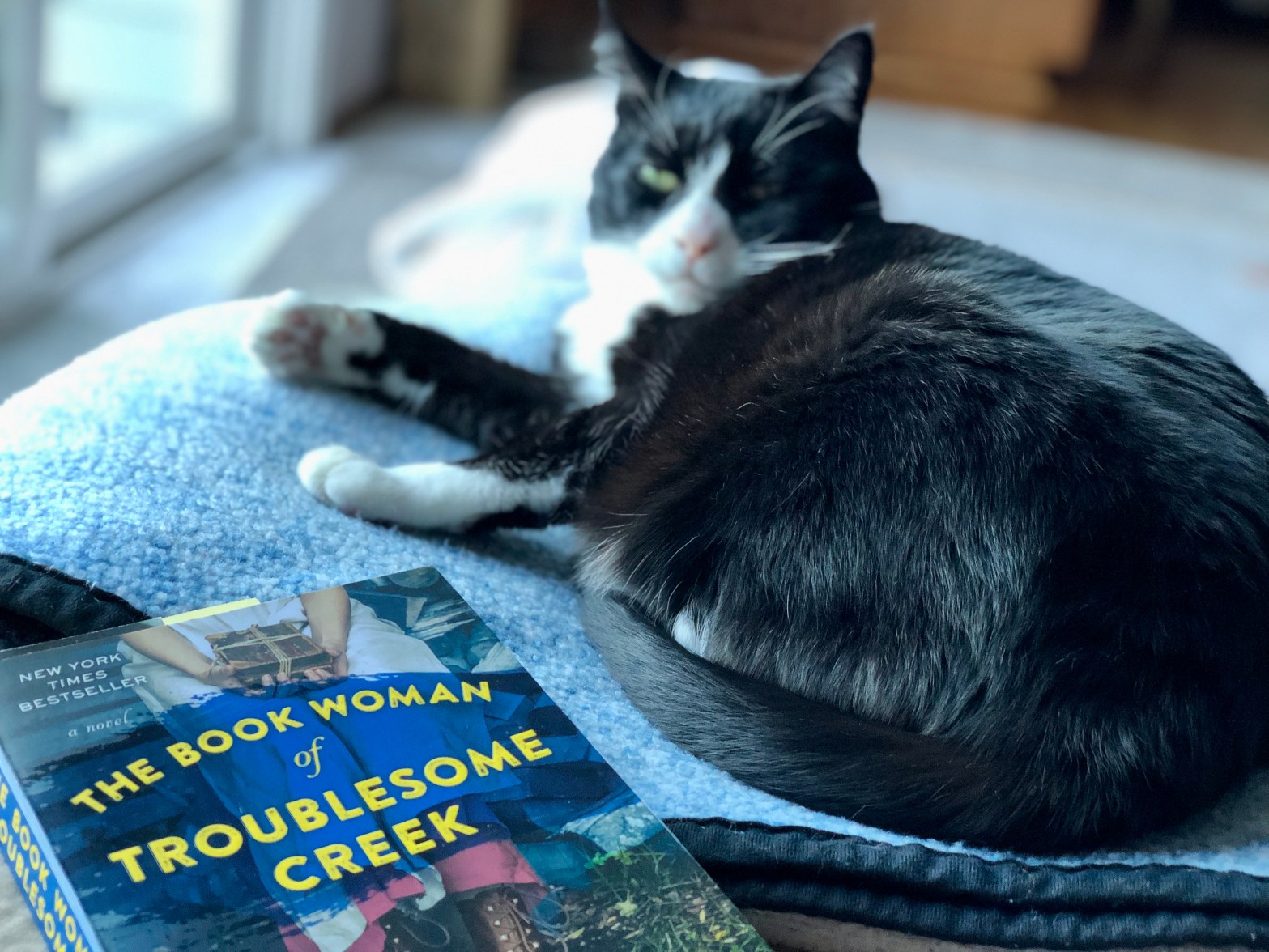
This quote began my experience with The Book Woman of Troublesome Creek by Kim Michele Richardson and I felt…seen. These last two years have not been easy for anyone and we have all faced our own challenges and struggles along the way. For me, I have had a crisis at work and felt lost and aimless.

My name is Julia, I’m the middle sister of our podcast family, and I’m a children’s librarian. I went from a steady ritual of serving large storytime and after school crowds of excited children and their families to long stretches of time when I talk to no one while I sit at the information desk because people are not coming to the library like they once were. At least they are not at my branch. I have had a HUGE dip in career satisfaction since my main job function has changed to helping people figure out our public computer and printing systems (which is about 75% effective on a good day).

It is so rewarding to find a book that reminds you why you made certain life choices. The main character of this book is one of the traveling librarians of President Roosevelt’s Kentucky Pack Horse Library Project. If she can ride a mule for hours in all types of weather to bring the magic of literacy to her patrons, I can sit on the information desk and patiently wait until I can get back to being an actual children’s librarian again.

Ode to Once Upon a Potty

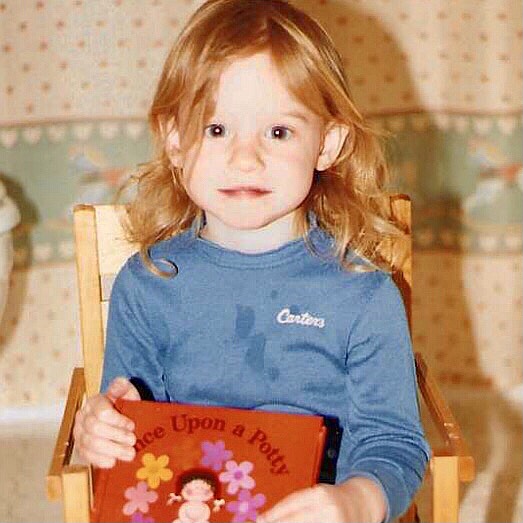
When I mentioned this book on Chapter 12 of our podcast I decided to write a light hearted blog post about Once Upon a Potty and maybe share an embarrassing picture of me with this book actively potty training – I said it was embarrassing. Librarian, Kristy Isett, described Once Upon a Potty by Alona Frankel  in 2009 for the Huntington Daily News as “a book on toilet training to help the child better understand the process; to encourage and motivate him or her to make the developmental leap from diaper to potty.” What I didn’t know was that the author, Alona Frankel had an incredibly hard upbringing in Poland during World War II.

Once Upon a Potty…literally.

Once Upon a Potty has consistently been added to recommendation lists for teaching kids to be potty trained since its publication in 1984. Heck, I have recently bought replacement copies (both the boy and girl versions) for my library’s collection because they always end up looking just as well loved as my family’s copy at home. In 2014, the Clute Facts named the book a right of passage for motherhood by saying you know you’re a mother when “your child insists that you read ‘Once Upon a Potty’ out loud in the doctor’s waiting room and you do it.”

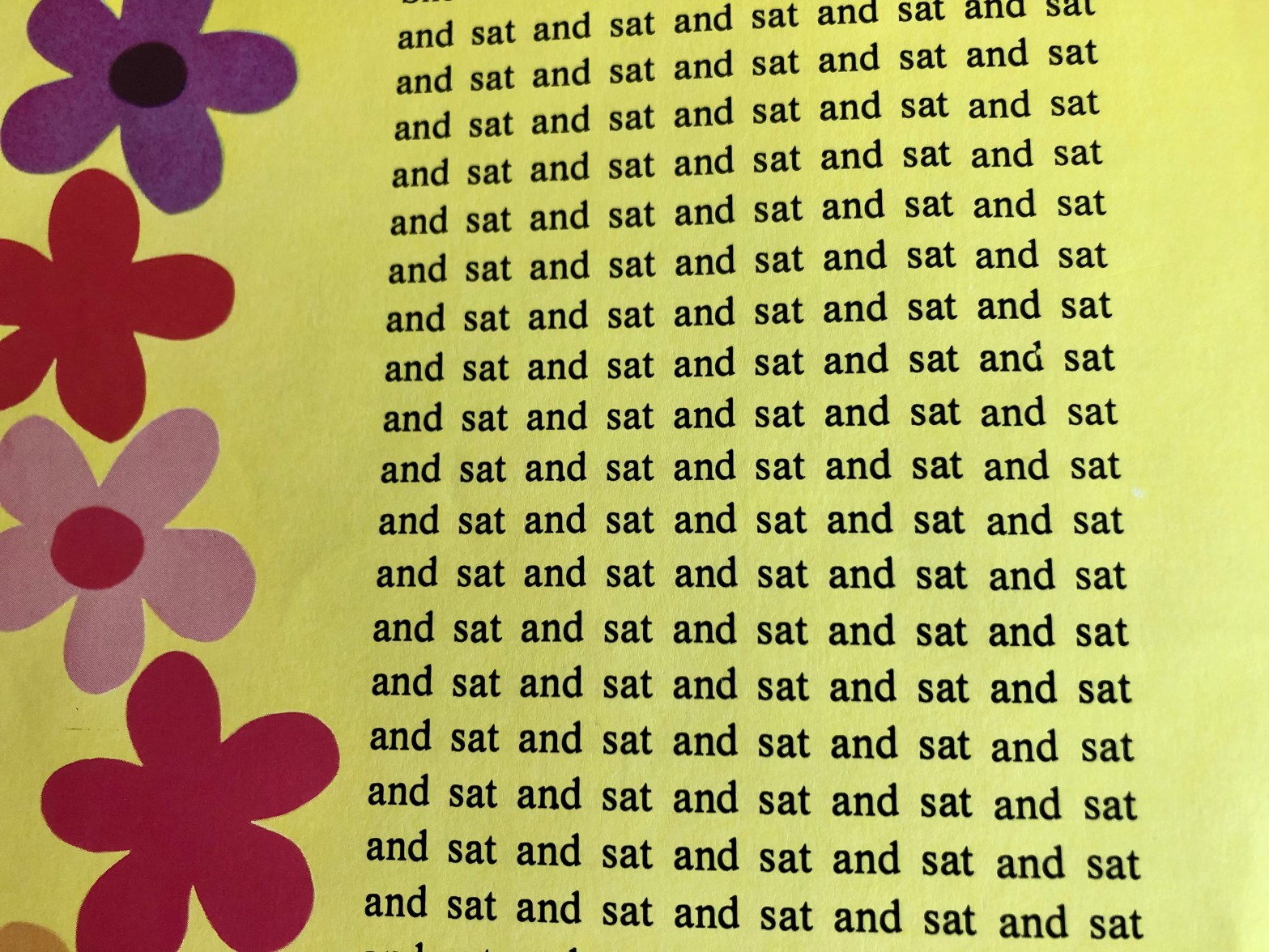
What captured me as a child wasn’t so much the riveting writing in the book, but the sweet and colorful illustrations (also done by Frankel) that reminded me of It’s a Small World. I tried to remember what I was thinking about when I would repeatedly request my mom read this book to me (including every word on the “and sat” page). I remember feeling really proud of myself when I had the success that Prudence did when she finally correctly used her training potty – which is likely why I had this book in my bedtime rotation before bed. 

This book has been a mainstay on library shelves as well, in 1986, the title was mentioned in the Frederick News Post as one for “parents to share with their children” at the library. Alona Frankel originally created this book for her own son to help him with his potty training journey. It was first published in 1975 in Hebrew before it was translated into different languages and sold all over the world in both boy and girl versions. 

In my research for this post, I ran across another book written by Frankel called Girl: My Childhood and the Second World War. This is a memoir about her growing up in the midst of Nazi invaded Poland. As a Jewish child, her family worked hard to hide her away from the Nazis. Rather than going to school, Frankel taught herself to read, write, and draw as she lived among farm animals during her seclusion in the name of safety. I look forward to reading this book and one day sharing Once Upon a Potty with a little one learning this important life skill. 

More Appreciation for Hans Christian Andersen

This name is synonymous with many popular fairy tales, many of which have been turned into beloved movies, stage plays, or even ballets – which also means many generations of readers may or may not know the original stories outside of the theatrical releases. Spoiler alert, Ariel (which is not her name) actually dies at the end of Andersen’s original tale. I’ll wait a moment for that to sink in. You ready?…not yet………………..ok, let’s keep going.

Hans Christian Andersen was born in Denmark in 1805. During his prolific career he wrote more than the fairy tales he is best remembered for, but also plays, travelogues, novels, and poems. In total, Andersen wrote 156 tales that were collected in nine volumes and are still read and loved to this day around the world. Many of his stories can be found by searching for the author’s name on Project Gutenberg’s website

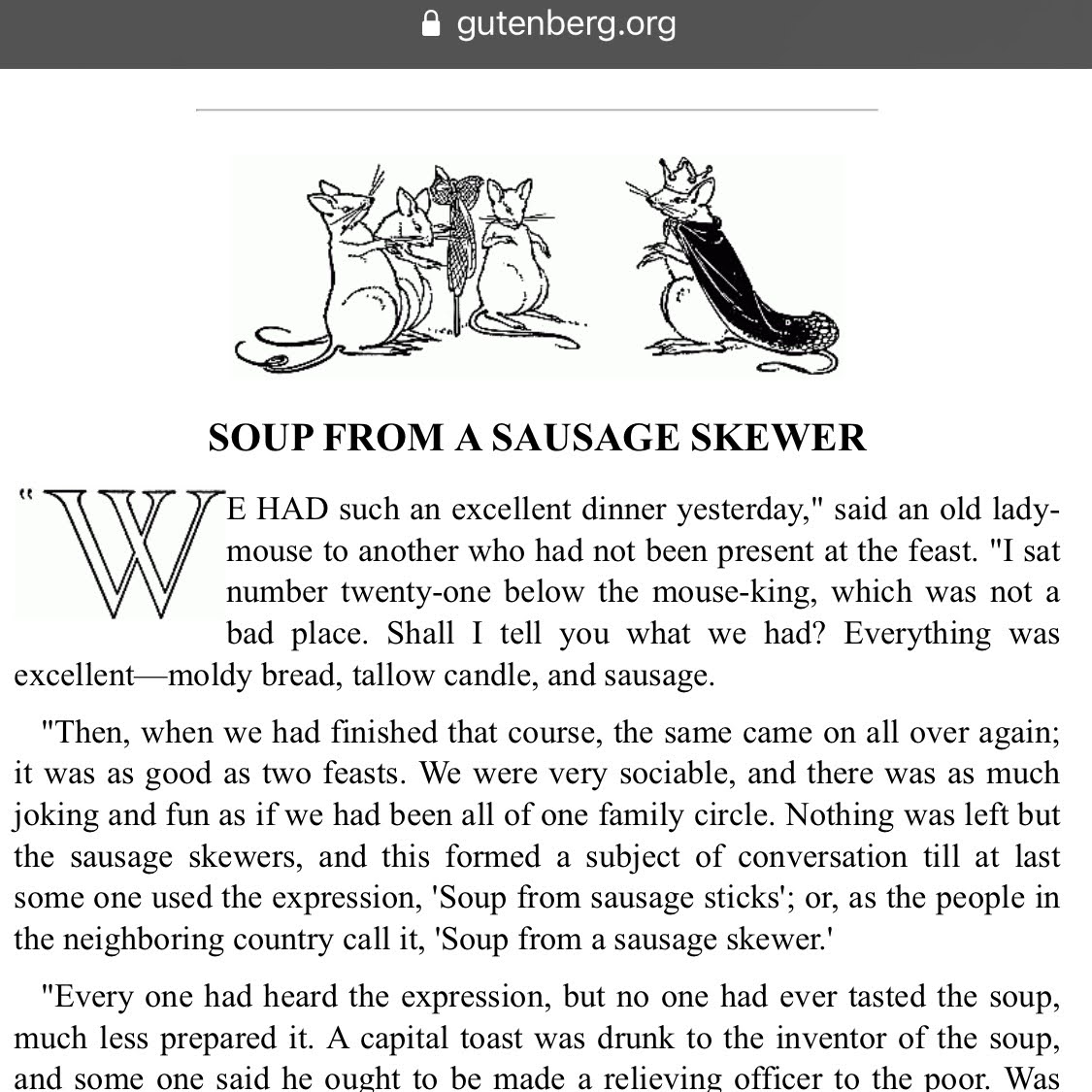
It is because of our collective fondness for the tales of Andersen that in chapter 11 of our show, we did a dramatic reading of Andersen’s story “Soup from a Sausage Skewer.” As mentioned in the show, none of us had previously read this story. It was chosen with this in mind, as well as how it could be broken up between several readers and the general length of the story as a whole. It has been written that Hans Christian Andersen incorporated many personal experiences into his stories, it would be interesting to hear what influenced him to write this particular tale.

If you want more soup, here is an episode of Hans Christian Andersen: The Fairytaler entitled Soup from a Sausage Peg. More episodes of the series can be found on Youtube.

Much has been written about Hans Christian and even some movies have been made about his life. We want to share some recommendations for further exploration about this prolific writer.

Hans Christian Andersen: His Fairy Tale Life by Hjordis Varmer

The Fairy Tale of My Life: An Autobiography by Hans Christian Andersen

Hans Christian Andersen (1952) starring Danny Kaye

The Daydreamer (1966) an animagic film from Rankin/Bass 

Until next time, let’s read, share, and repeat!

The Girl Detective

Being that she turned 90 in 2020, it seems fitting to take some time to appreciate Nancy Drew. Since 1930, who hasn’t grown up reading some (if not all) of the Nancy Drew Detective Series? As I (Julia) spoke about on the first episode of our podcast, Nancy Drew has a very special place in my heart and my bookshelf. 

Ever since bringing the first book home from the library when I was in elementary school I’ve been hooked. I collect old Nancy Drew books to this day and scour used book store shelves and boxes of old books at vintage sales. In my opinion, the older the book the better. It feels like I’m holding a little piece of history in my hands that I get to honor and cherish.

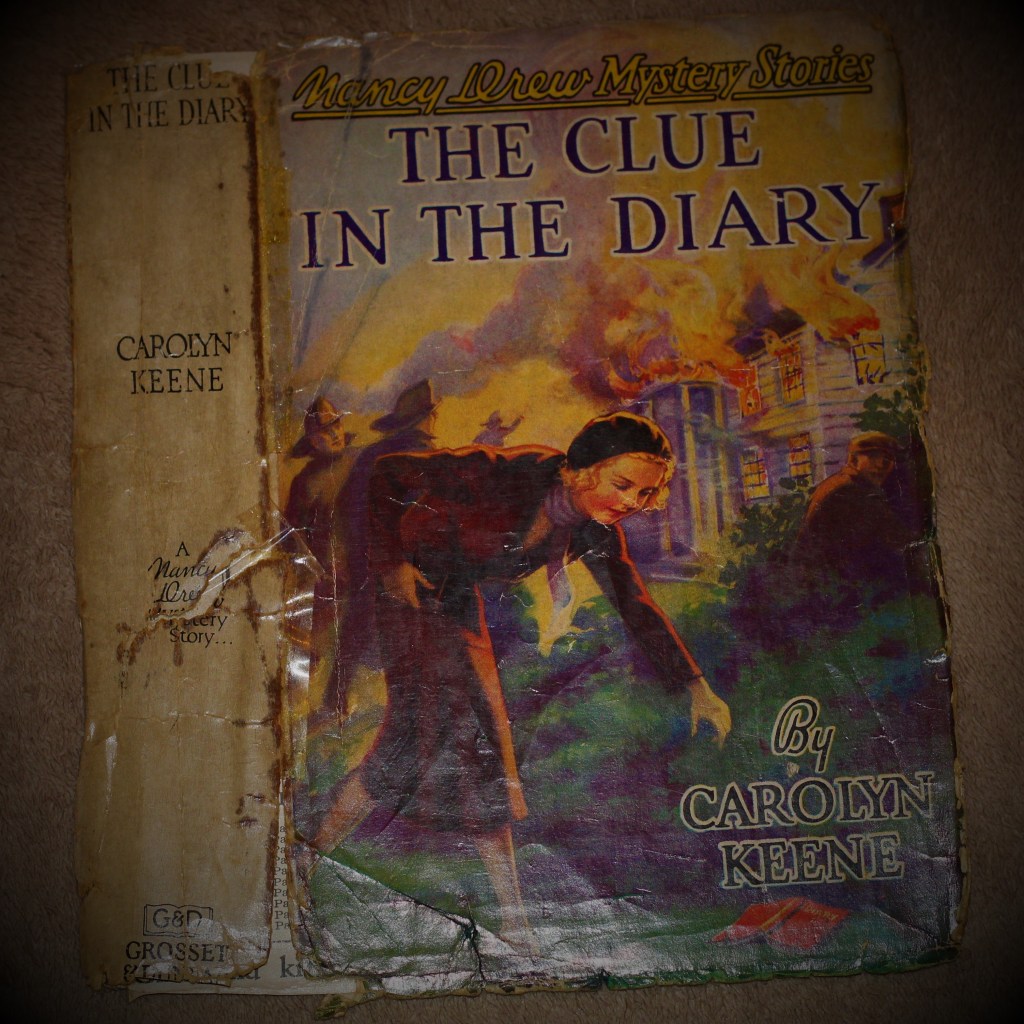
Dust jacket from a 1932 edition of Nancy Drew.

One reason Nancy Drew is so appealing to me is that she was so independent, smart, and brave that I aspired to be just like her. Harriet Adams, the daughter of the creator of the Nancy Drew stories, revised all of the stories to have a more modern feeling in the 1950’s and wrote all of the new stories during that time right up until her death in 1982. Mrs. Adams made some significant changes to the character when she took the helm: she changed Nancy’s age from 16-18, she made her able to drive, and she changed her relationship with Hannah Gruen.

As Mrs. Adams told the Associated Press in 1980:  “[i]f I made Nancy liberated, I was unconscious of the fact. She’s like me. I know what I was writing about. She isn’t artificial. She’s a modern young woman – the best of the modern young women.” I couldn’t agree more or express why I was so drawn to this character while I was growing up.

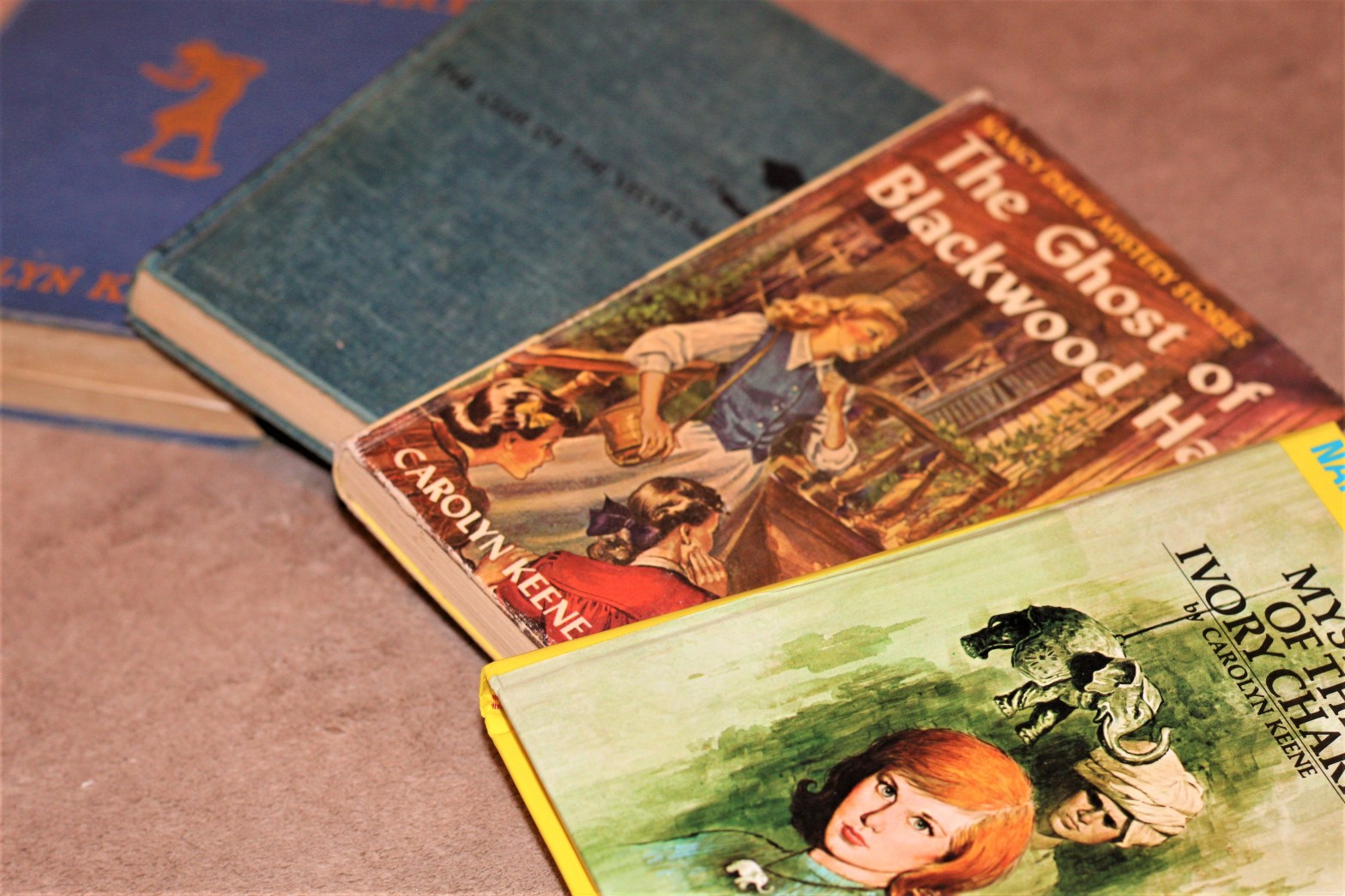
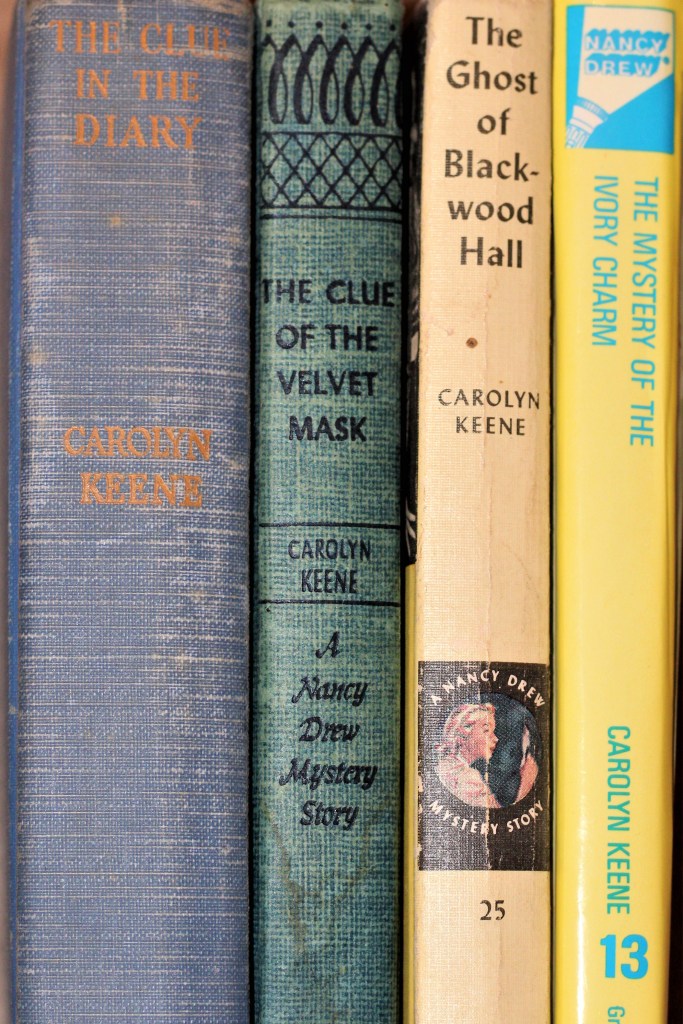
If you collect Nancy Drew books like I do, you probably have noticed they come in different versions. This is due to the fact of when the book was published. In the 1930’s and 1940’s, when the books were originally published, the boards of the book itself were blue and they came with a paper dust jacket. Between the decades, however, the silhouette of the titular character changed to have an updated look for the new decade. These blue boarded books were the norm until the 1960’s when they switched to another updated look and changed to matte picture covers and were used until the late 1980’s. By 1987, the glossy yellow picture covers that are still used today and have become the signature of the series.

Copyrights from left to right: 1932, 1953, 1948, 1974.

Do you collect Nancy Drew Mystery Stories? It’s like Pokemon, gotta catch ‘em all! I simplified the list of all the ways that you can tell the age of a Nancy Drew book, each of them are treasures and an excellent addition to your library. As the Associated Press explained in 1998, “[t]hese books [Nancy Drew and the Hardy Boys] set out to give kids an essential moral core of values…Through the messages they set out to communicate to children, Nancy and the Hardy Boys are role models in a very real way.”

No matter what year, a Nancy Drew book is always perfection.

Let’s read, share, repeat and happy sleuthing!