This month we discuss some of our favorite literary couples, host our own National African American Read In event with the book Before the Ever After by Jacqueline Woodson, and what we have been reading. We also introduce our read for next month Spinning Straw into Gold by Jane Gould. Let’s keep reading, sharing, and repeating.
I believe we have talked about our love for Arthur the A-A-R-D-V-A-R-K on the show before. The Arthur books were originally published 45 years ago by Marc Brown. The first installment in the series being called Arthur’s Nose and the little character not being happy with the way his nose looked and considered getting a nose job – he was relatable from the get go!
The idea for Arthur was born out of a conversation with his young son who requested a bedtime story about “a weird animal,” as Browns remembers. This was not the only inspiration the author took from his family and friends. Many of the attributes that showed up on his characters also matched those around him. For instance: Arthur has glasses because Marc Brown’s son has glasses. His favorite character, D.W., takes after his three younger sisters – which is why she is so funny, strong, and “triply lethal” as Brown explained during a virtual event celebrating the end of the series.
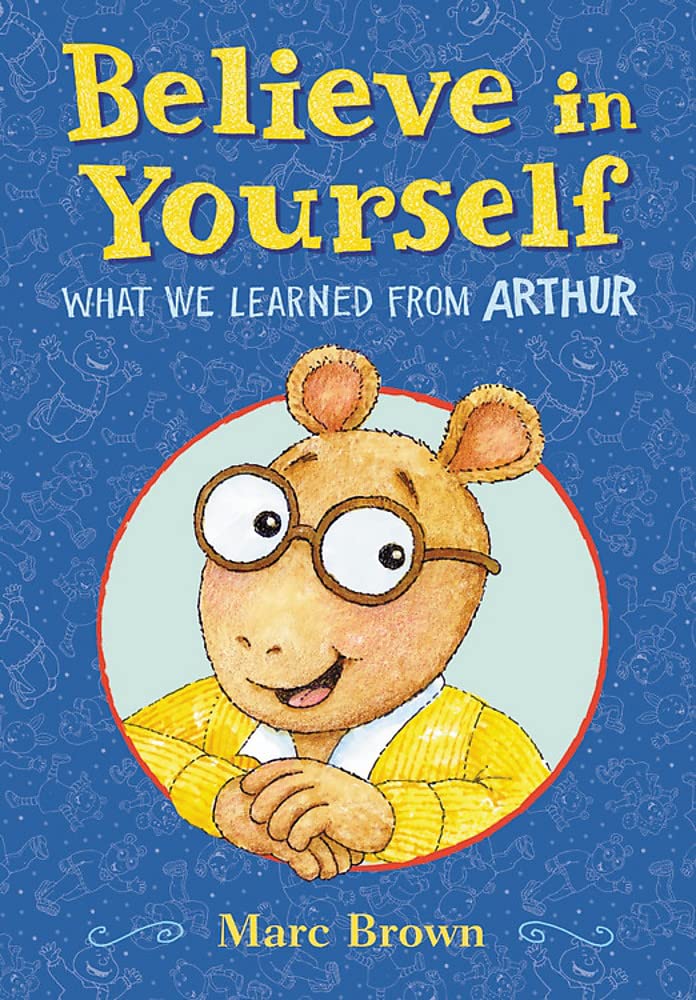
The final Arthur book was published early this year. It is called: Believe in Yourself: What We Learned from Arthur. This book is a reflection on the creation of the show and the book series and what makes it so special and enduring. Arthur became a beloved animated show on PBS channels 25 years ago and has proven to be topical, approachable, and all around enjoyable throughout its entire run.
When asked why he thought Arthur and the citizens of Elwood City had such an impact on a whole generation of kids and beyond, Brown said the series always told the truth to kids and is very relatable on many different subjects. Arthur himself is a good friend with a good heart, he learns from his mistakes.
While the original run of books and shows is coming to an end, the Arthur world is not ending. There will be new ways for fans to interact with Arthur. With the changes in technology and how kids get information and content these days, Arthur and his friends will still be helping kids deal with important issues through a series of different platforms such as: public service announcement short videos, podcasts, as well as online games. There is also a live musical in the works that could make its way to the stage in the future.
The newest book is available for purchase now and a marathon of more than 250 episodes leading into the premiere of the last four episodes of season 25 will begin February 16, 2022 and continue until February 21, 2022. The last four episodes have hinted at revealing what REALLY happened to D.W.’s snowball as well as a look at what will happen when the gang grows up.
Here are some viewing suggestions to catch during the marathon on your local PBS station:
Season 1 – Episode 5:Arthur’s Pet Business/D.W. the Copycat – the episode that made us fall in love with D.W.
Season 1 – Episode 22:D.W.’s Snowball Mystery/Team Trouble – where the snowball saga began.
Season 2 – Episode 1:Arthur Meets Mister Rogers/Draw! – gotta love Mr. Rogers.
Season 3 – Episode 11:Double Tibble Trouble/Arthur’s Almost Live Not Real Music Festival – having fun isn’t hard when you’ve got a library card! Also check out the soundtrack that goes with this episode.
Season 4 – Episode 1: D.W.’s Library Card/Arthur’s Big Hit – the episode that made Arthur a well-known meme.
Season 22 – Episode 1:Mr. Ratburn and the Special Someone/The Feud – such a special episode about everyone’s favorite third grade teacher.
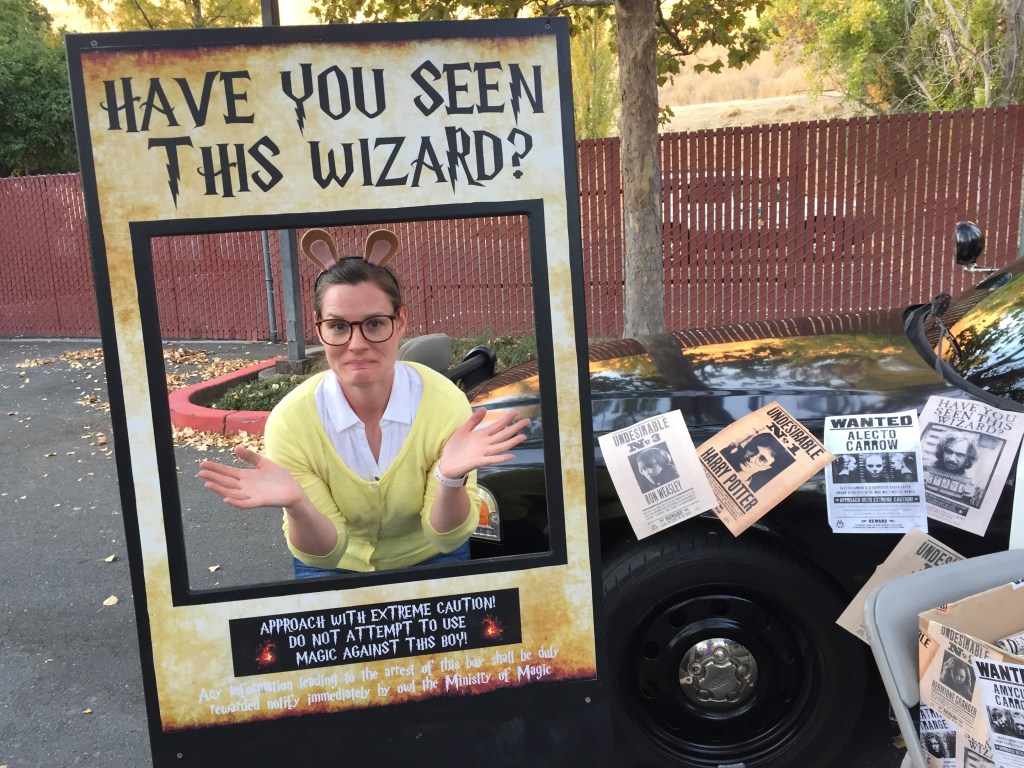
Whether you are a longtime fan or new to the world of Arthur, there is an episode or a book for you. Now is a perfect time to jump in and enjoy what has been a huge source of entertainment in our house for the last 25 years and will continue to be. Congratulations to Marc Brown and all the creators of the Arthur books and shows over the years and thanks for always making it a wonderful kind of day (as well as a go to Halloween costume, as pictured below).
As we enter into our third calendar year of recording this show we welcome 2022 with some literary would you rather questions, books that will help us reach a goal this year, a Jolabokaflod review, and some of our favorite reads of 2021. Until next episode, let’s read, share, and repeat!
This month we get a little spooky for the Halloween season. First we discuss some of our favorite literary witches, not including any witches from Harry Potter. Then we talk to friend of the show, Jeff Baham, Disneyland Haunted Mansion expert and author of the book: The Unauthorized Story of Walt Disney’s Haunted Mansion. We end with bookends and talk about what we have been reading and what we are planning to read this month. We also mention which books we each will be reading for our episode next month and our choices of titles written by indigenous authors.
In this chapter of Sibling Library, we will be celebrating the birth month of one of our collective favorite authors: Roald Dahl. We will talk about his life and some of our favorite experiences with his works. Then, we will be ending this summer season by going through some of our favorite summer reads. Special announcement for next month, we are welcoming great friend of the show Jeff Baham. To get ready for his visit please consider reading his book: The Unauthorized Story of Walt Disney’s Haunted Mansion. Till next month, let’s read, share, and repeat!
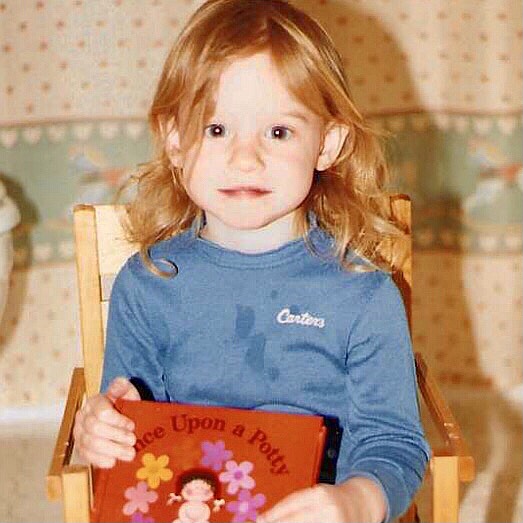
When I mentioned this book on Chapter 12 of our podcast I decided to write a light hearted blog post about Once Upon a Potty and maybe share an embarrassing picture of me with this book actively potty training – I said it was embarrassing. Librarian, Kristy Isett, described Once Upon a Potty by Alona Frankel in 2009 for the Huntington Daily News as “a book on toilet training to help the child better understand the process; to encourage and motivate him or her to make the developmental leap from diaper to potty.” What I didn’t know was that the author, Alona Frankel had an incredibly hard upbringing in Poland during World War II.
Once Upon a Potty…literally.
Once Upon a Potty has consistently been added to recommendation lists for teaching kids to be potty trained since its publication in 1984. Heck, I have recently bought replacement copies (both the boy and girl versions) for my library’s collection because they always end up looking just as well loved as my family’s copy at home. In 2014, the Clute Facts named the book a right of passage for motherhood by saying you know you’re a mother when “your child insists that you read ‘Once Upon a Potty’ out loud in the doctor’s waiting room and you do it.”
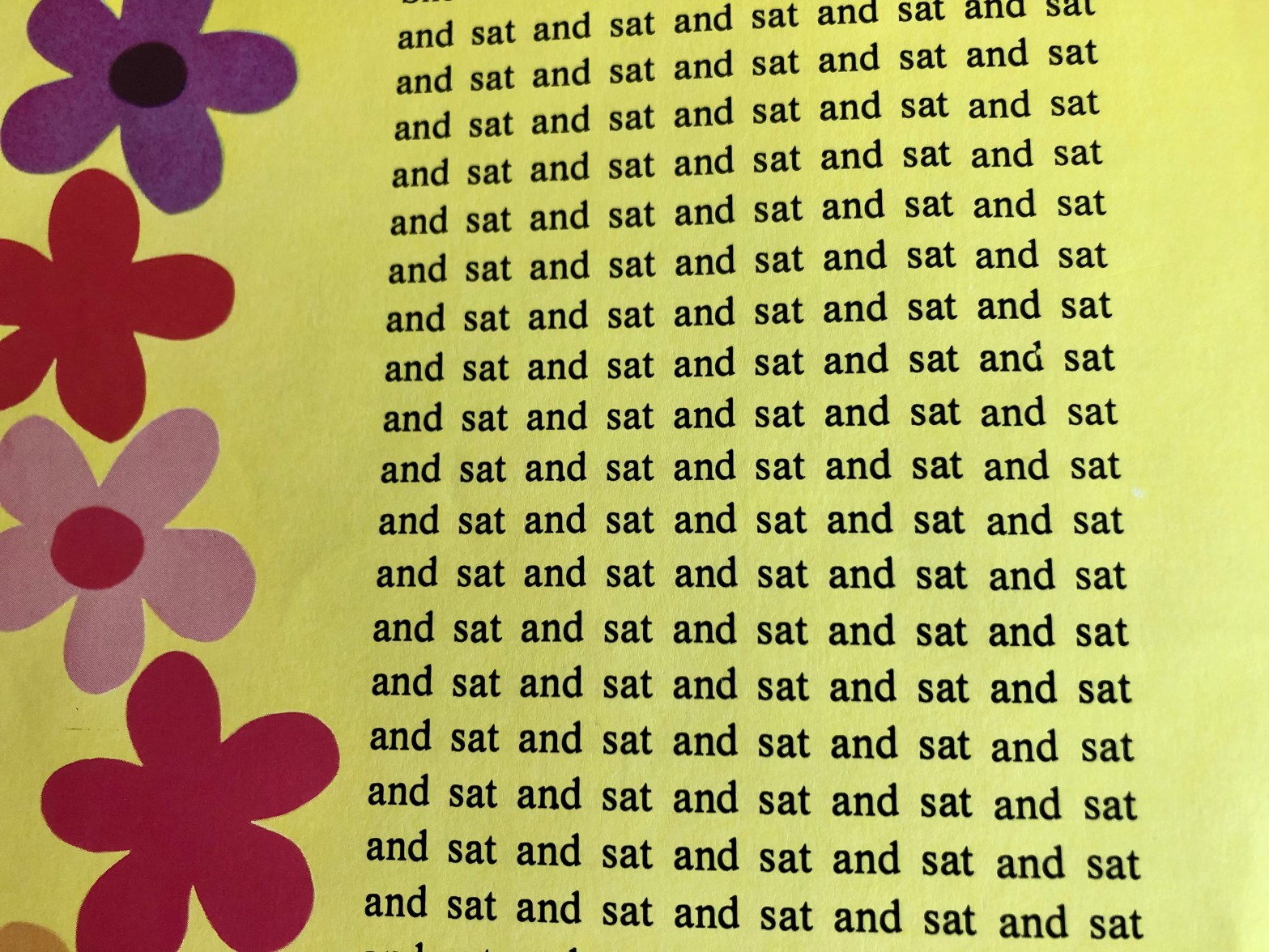
What captured me as a child wasn’t so much the riveting writing in the book, but the sweet and colorful illustrations (also done by Frankel) that reminded me of It’s a Small World. I tried to remember what I was thinking about when I would repeatedly request my mom read this book to me (including every word on the “and sat” page). I remember feeling really proud of myself when I had the success that Prudence did when she finally correctly used her training potty – which is likely why I had this book in my bedtime rotation before bed.
This book has been a mainstay on library shelves as well, in 1986, the title was mentioned in the Frederick News Post as one for “parents to share with their children” at the library. Alona Frankel originally created this book for her own son to help him with his potty training journey. It was first published in 1975 in Hebrew before it was translated into different languages and sold all over the world in both boy and girl versions.
In my research for this post, I ran across another book written by Frankel called Girl: My Childhood and the Second World War. This is a memoir about her growing up in the midst of Nazi invaded Poland. As a Jewish child, her family worked hard to hide her away from the Nazis. Rather than going to school, Frankel taught herself to read, write, and draw as she lived among farm animals during her seclusion in the name of safety. I look forward to reading this book and one day sharing Once Upon a Potty with a little one learning this important life skill.
In this chapter, we celebrate Free Comic Book Day and welcome to the show our favorite neighborhood comic book slinger, Natasha Curtis. Natasha is the owner of Zeppelin Comics in Benicia, California. She gives us her expert knowledge about staying current with comics and how one may find themselves becoming a comic book reader, they aren’t just for kids! Visit them online to find out more about them, their merchandise, and how to follow them on social media. Free Comic Book Day is on August 14th this year, so we are releasing our episode early so more people can check it out this year! Let’s continue to read, share, and repeat.
This month we welcome our parents to the show and discuss how they helped create three lifelong readers. There’s laughter, some good natured ribbing, and even some tears. Next month we will be celebrating Free Comic Book Day with our favorite comic book expert and amazing store owner, Natasha Curtis of Zeppelin Comics, one of the 2021 Eisner Retailer Award finalists. Make sure you celebrate at your favorite comic book store (or local library) on Saturday, August 14.
This name is synonymous with many popular fairy tales, many of which have been turned into beloved movies, stage plays, or even ballets – which also means many generations of readers may or may not know the original stories outside of the theatrical releases. Spoiler alert, Ariel (which is not her name) actually dies at the end of Andersen’s original tale. I’ll wait a moment for that to sink in. You ready?…not yet………………..ok, let’s keep going.
Hans Christian Andersen was born in Denmark in 1805. During his prolific career he wrote more than the fairy tales he is best remembered for, but also plays, travelogues, novels, and poems. In total, Andersen wrote 156 tales that were collected in nine volumes and are still read and loved to this day around the world. Many of his stories can be found by searching for the author’s name on Project Gutenberg’s website.
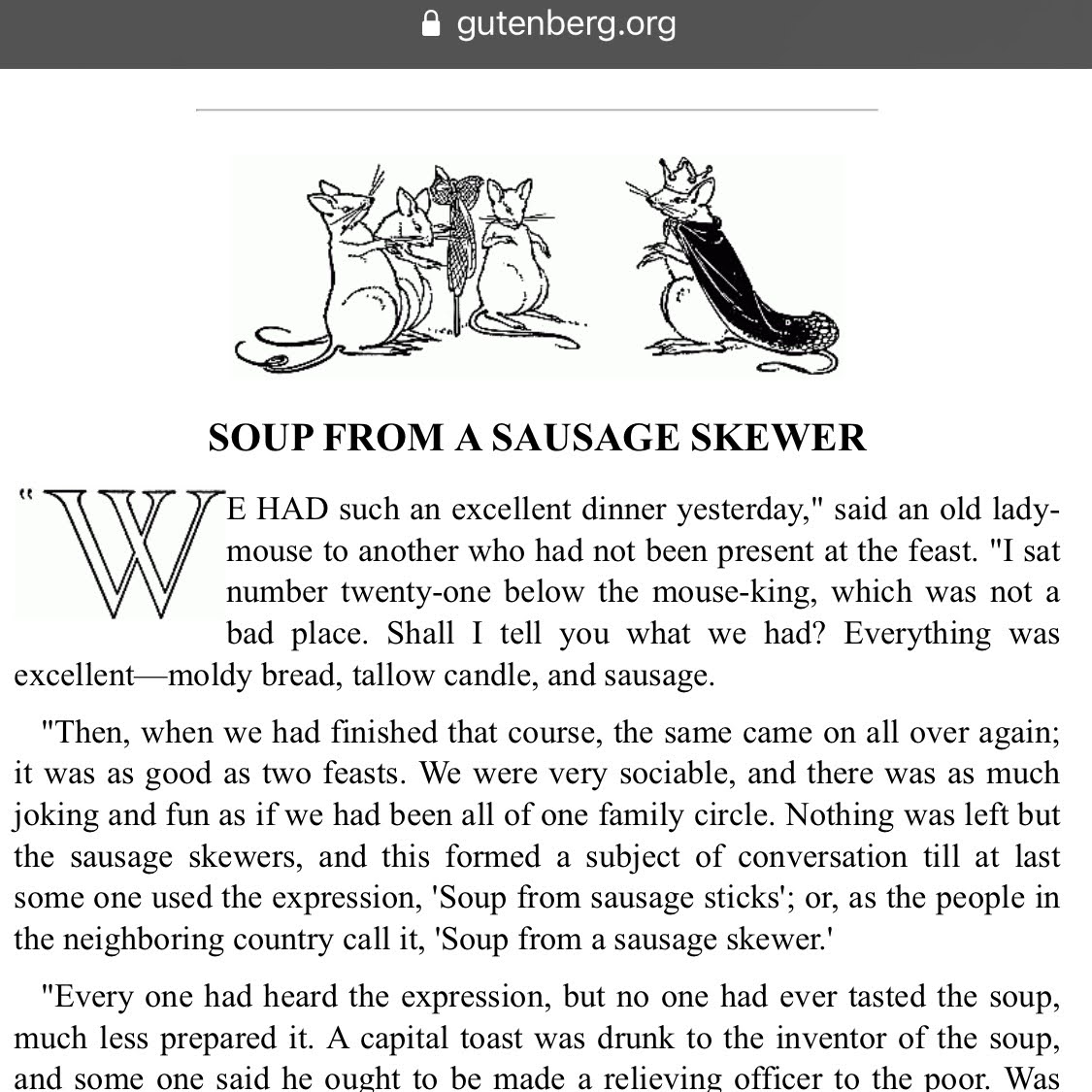
It is because of our collective fondness for the tales of Andersen that in chapter 11 of our show, we did a dramatic reading of Andersen’s story “Soup from a Sausage Skewer.” As mentioned in the show, none of us had previously read this story. It was chosen with this in mind, as well as how it could be broken up between several readers and the general length of the story as a whole. It has been written that Hans Christian Andersen incorporated many personal experiences into his stories, it would be interesting to hear what influenced him to write this particular tale.
If you want more soup, here is an episode of Hans Christian Andersen: The Fairytaler entitled Soup from a Sausage Peg. More episodes of the series can be found on Youtube.
Much has been written about Hans Christian and even some movies have been made about his life. We want to share some recommendations for further exploration about this prolific writer.
This month we discuss Little Free Libraries: their history, purpose, and our experience with them. We also mention our topic for next month: a group read of the short story The Yellow Wallpaper by Charlotte Perkins Gilman. Let’s keep reading, sharing, and repeating!


 Sibling Library